
Services
Lock & Handle Repair
A sliding door that does not lock is an open invitation. Mortise locks, handles, keepers and secondary security — repaired and upgraded.
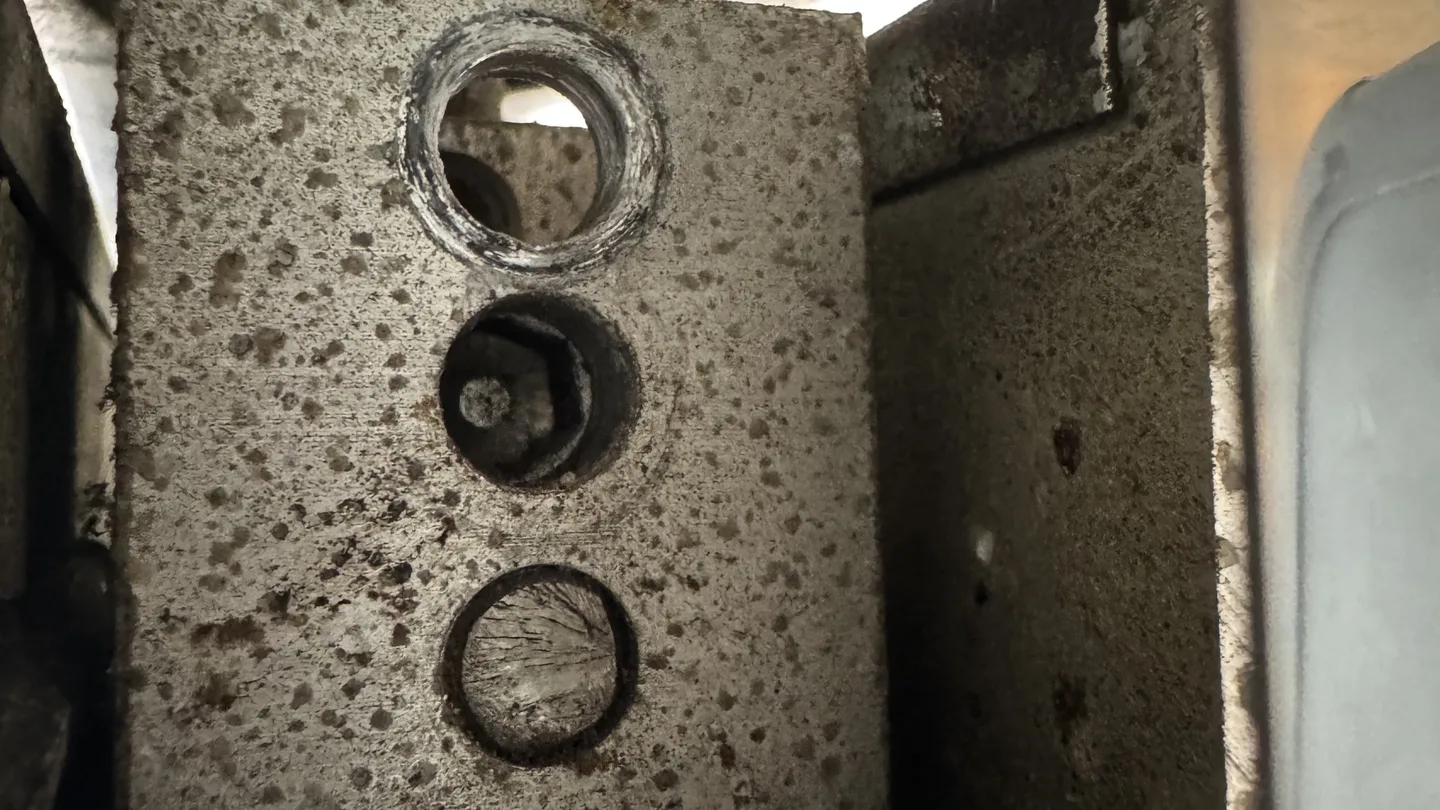
The sliding door is the most targeted entry in a house, and its factory lock is often the weakest hardware on it: a small mortise latch that wears, a keeper that drifts out of alignment as the house settles, a handle that loosens until the latch only half-engages.
We repair and replace mortise lock bodies, handles and pulls, and keepers, re-align the strike so the hook engages fully, and — where you want real security rather than the appearance of it — fit secondary locks: foot bolts, security pins and Charley bars that make the panel physically impossible to lift or pry from outside. Every sliding door job ends with the lock tested through ten full cycles so you know exactly how it should feel.
What's included
- Mortise lock body repair and replacement
- Handle and pull replacement in matched finishes
- Keeper relocation and strike alignment
- Anti-lift blocks fitted in the head track
- Secondary security: foot locks, pin locks and security bars
- Full lock function test — ten cycles, smooth and positive
- Honest advice on what your door's security is actually worth
Book Your Door Repair
Tell us what the door is doing and we'll call you back to confirm. Rather talk now? (855) 640-0404 — answered 24/7.
How it works
Our Process
Diagnose the geometry
Most 'broken locks' are alignment problems. We check panel height, roller wear and keeper position first.
Repair or replace
Sound locks are serviced; worn bodies and cracked handles are replaced in matched finishes from truck stock.
Align the strike
The keeper is set so the hook engages fully with the door closed — no lifting, no shoving, no jiggling.
Test ten cycles
Lock, latch, unlock, slide — ten full cycles in front of you, plus anti-lift and secondary devices fitted if you chose them.
Questions
Lock & Handle Repair — FAQs
Usually alignment, not the lock itself. As rollers wear, the panel sits lower; as houses settle, the jamb moves; the latch hook then meets the keeper a few millimeters off and cannot engage. That is why lock calls often start with a panel adjustment — replacing the lock without fixing the geometry just wears out the new lock.
A factory latch alone is a deterrent, not a barrier — aging sliders can often be lifted off their track from outside. With anti-lift blocks, a properly engaged mortise lock and one secondary device (foot bolt or security bar), a sliding door becomes a genuinely hard target. We fit all three, and we will tell you plainly which your door needs.
We stock the common finishes — white, black, bronze, satin nickel — and the standard handle patterns for the major door brands. Unusual or discontinued patterns can usually be adapted; we will show you the closest matches before any drilling happens.
Yes — and we coordinate with HOAs and property managers on approved hardware, provide invoices suitable for records, and can standardize lock hardware across units for managers with multiple doors.